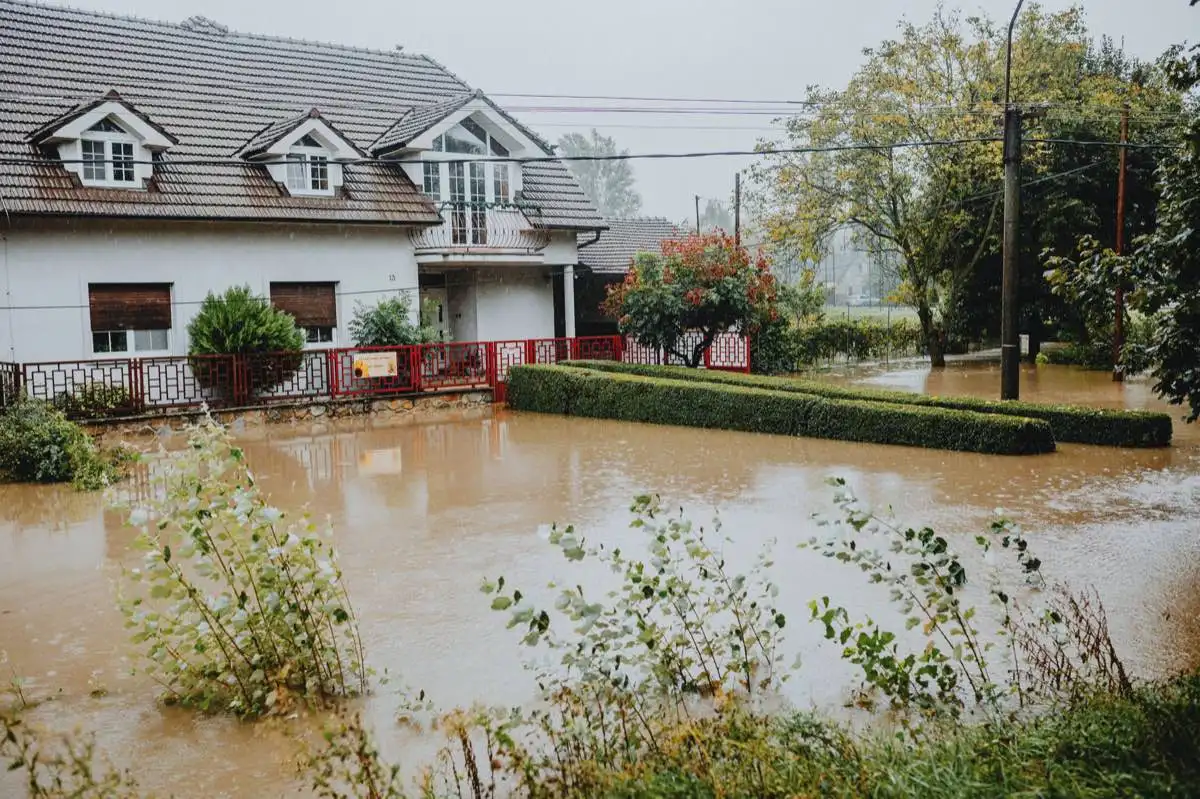
Corona Water Restoration Pros: Slab Leak Detection, Extraction & Structural Drying
Expert residential and commercial water damage restoration. Emergency response around the clock in Corona, with free written estimates and claim documentation.
- IICRC-certified technicians
- 24/7 emergency response
- We document and bill your claim
- Se Habla Español
Our Water Damage Services in Corona, CA
Emergency Water Extraction
By the time most Corona homeowners call, the standing water is already gone. What is left sits in the carpet pad, in the bottom plate of the wall, and in the slab itself, and that hidden water is what does the damage.
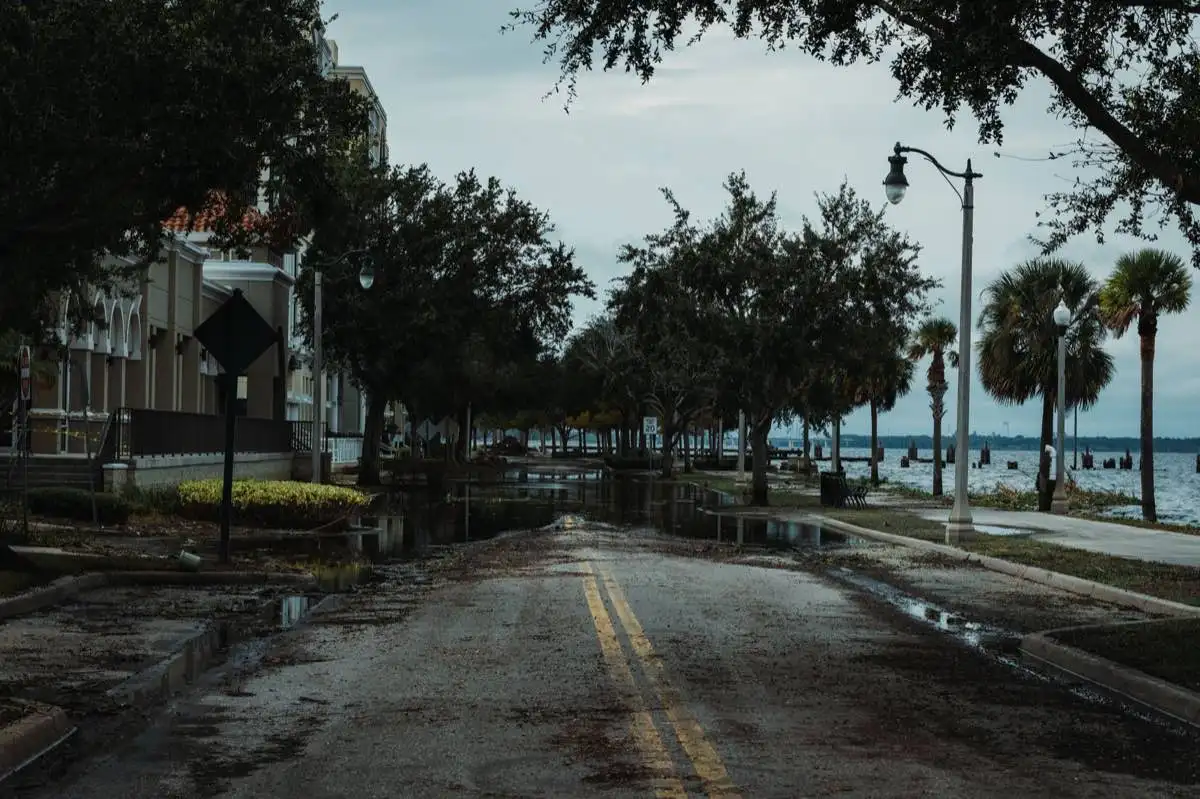
Structural Drying & Sub-Slab Dehumidification
Drying is arithmetic, not atmosphere. A wet slab holds a measurable quantity of water, the air will only carry so much of it away, and dehumidifier capacity has to beat the evaporation rate or the moisture simply relocates to another part of the house.
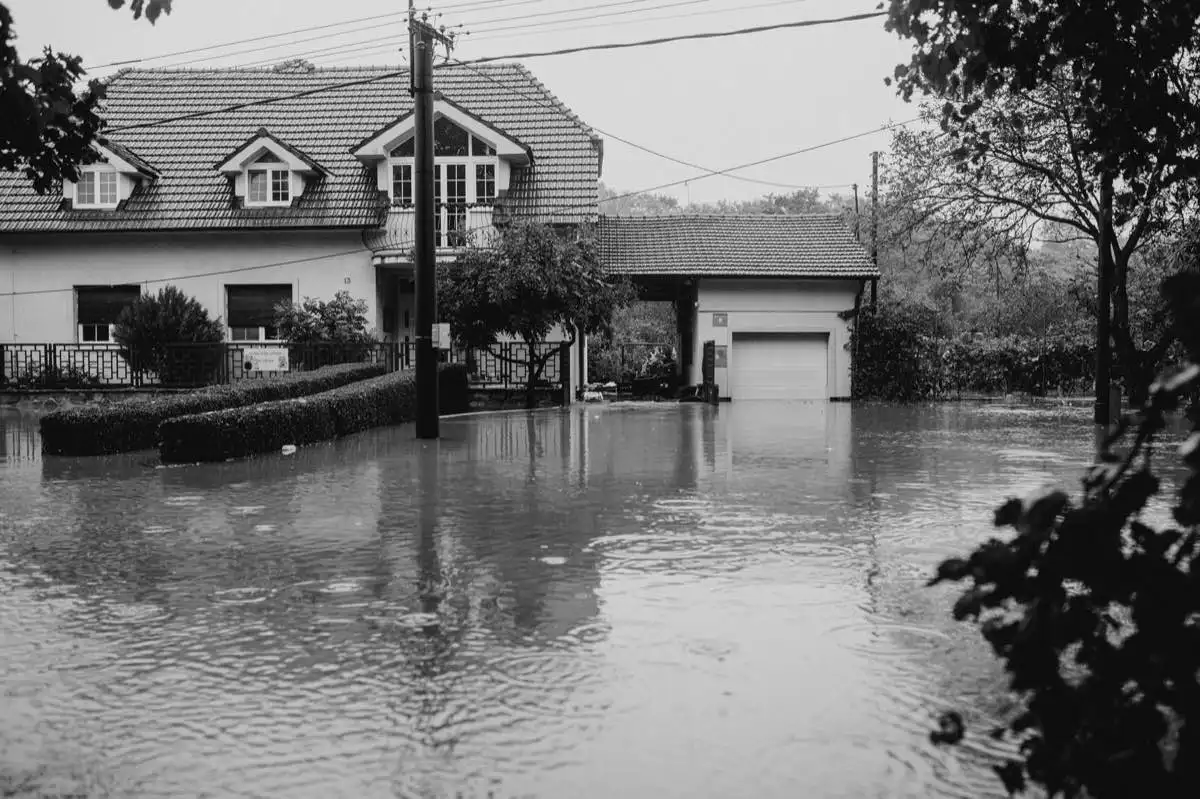
Whole-Home Flood Damage Restoration
A whole-house loss in Corona almost never begins outdoors. It begins with a supply line that lets go at two in the morning, runs unnoticed for six or eight hours, and puts water into every room on that floor before anyone wakes up.
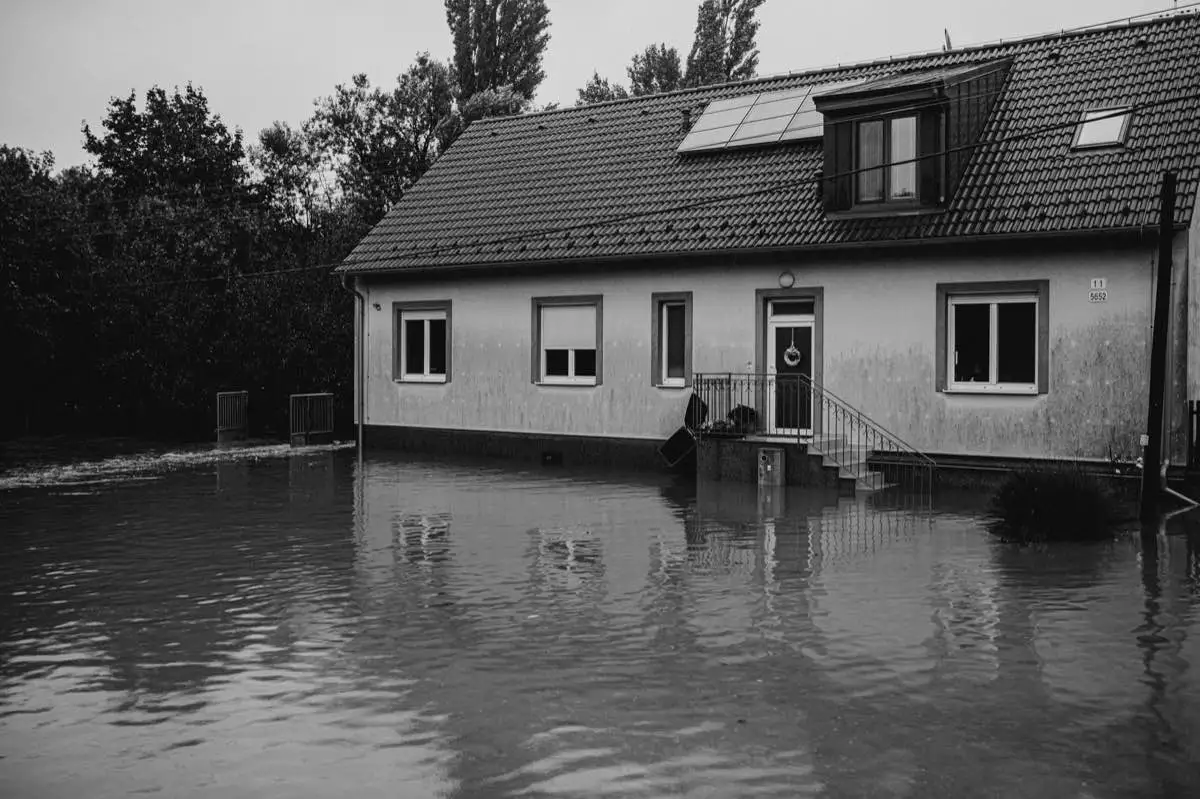
Storm & Wind-Driven Rain Damage
Corona does not get hurricanes. It gets four or five serious atmospheric river days a winter, and the damage those days cause is a building envelope problem: water pushed sideways into openings that shed rain perfectly well when it falls straight down.
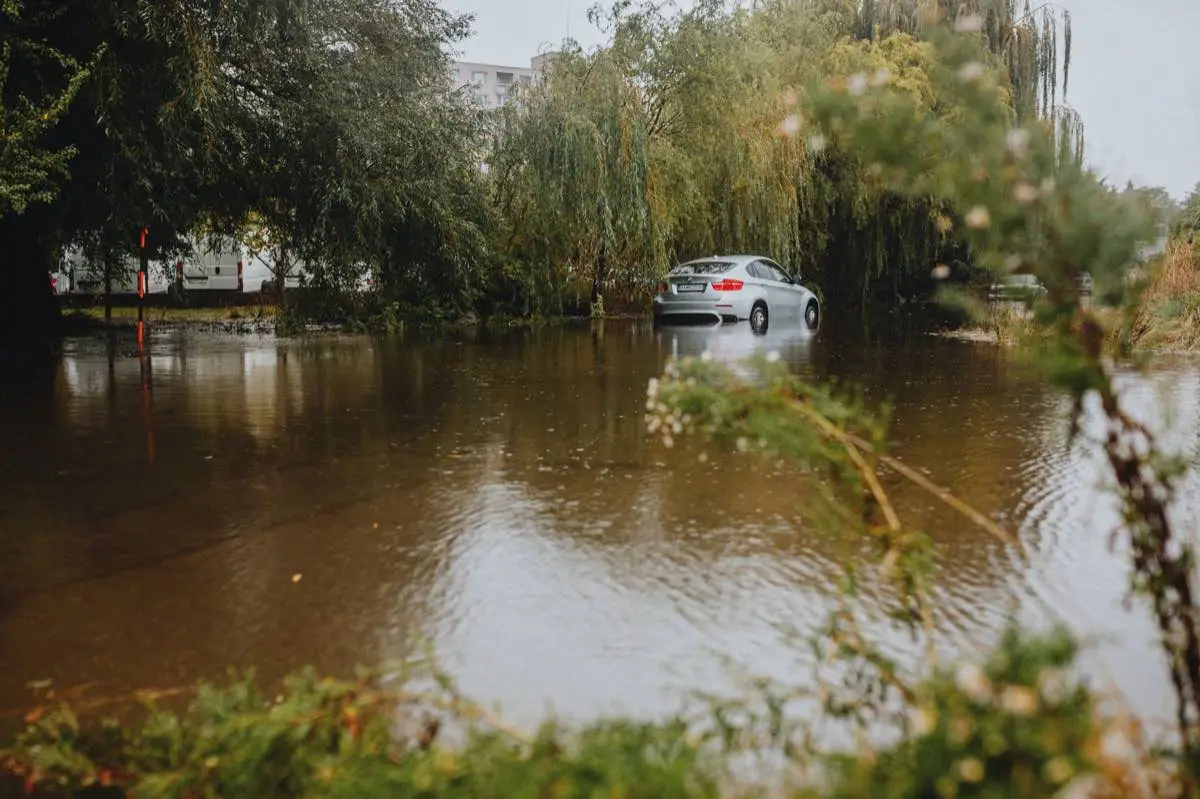
Burst Pipe & Slab Leak Water Damage
This is the call Corona makes most. A copper line under the slab develops a pinhole, or a braided supply riser at a toilet lets go, and the first evidence is a warm spot on the floor, a spinning water meter, or a bill that doubled for no obvious reason.
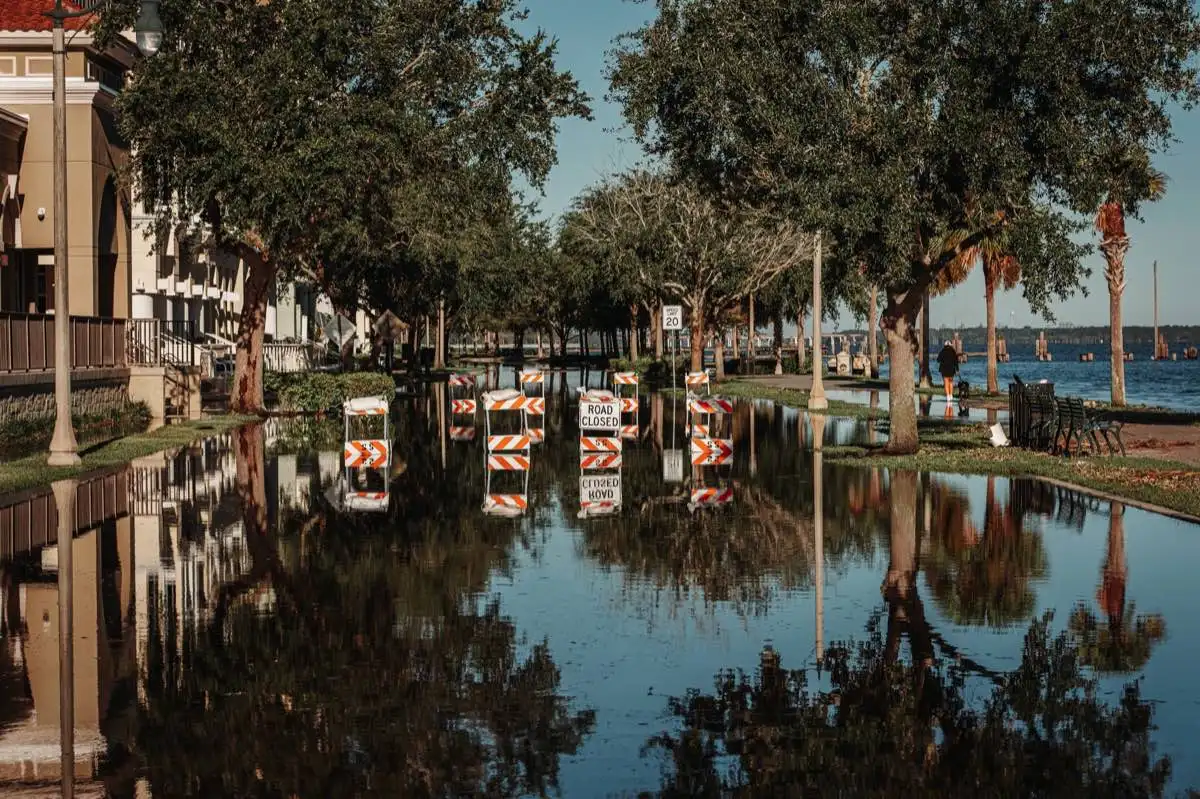
Sewage & Category 3 Water Cleanup
Sewage backups in Corona tract homes follow one pattern. The lateral between the house and the city main is cast iron or early ABS, a parkway tree has found the joints, and the first sign is the guest shower on the low side of the slab filling with water.
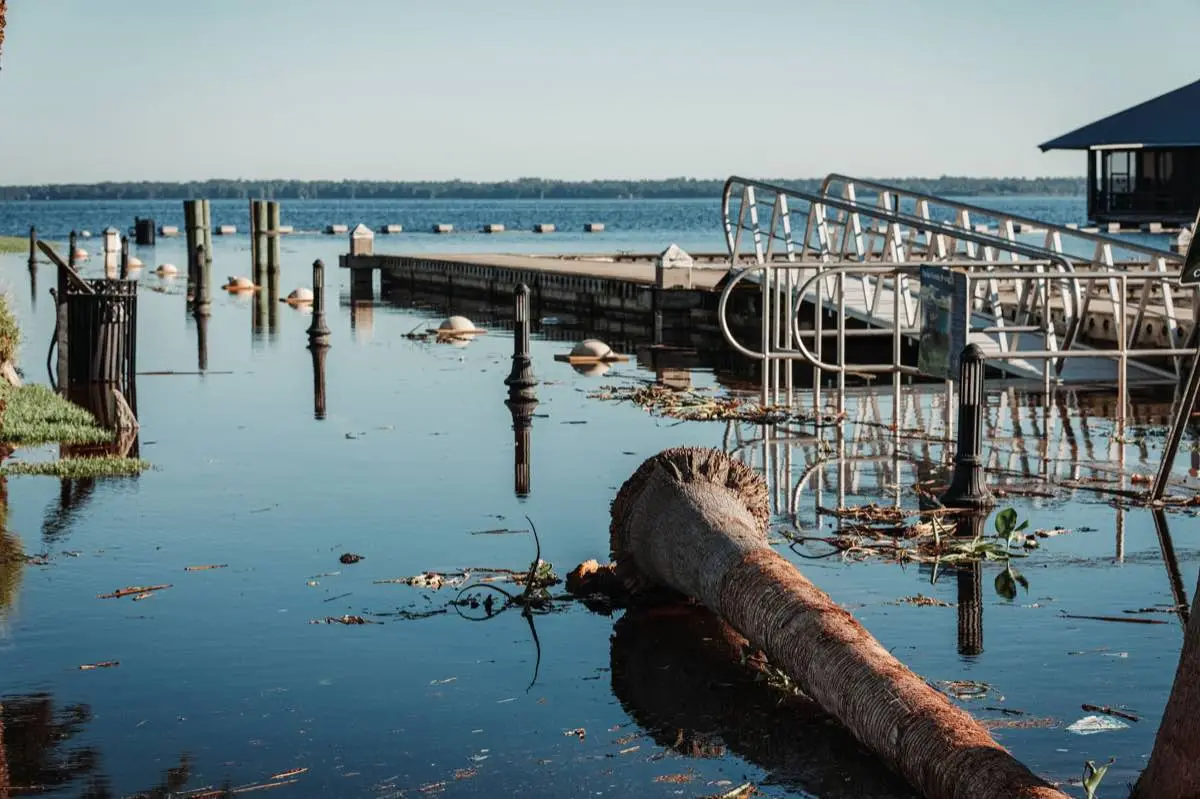
Mold Remediation
Slab leaks get discovered late, and that is why our mold work in Corona keeps turning up in the same three places: the back of a baseboard, the lower twelve inches of drywall paper, and the underside of a cabinet base that has been quietly damp for months. Growth is a moisture history, not a mystery.
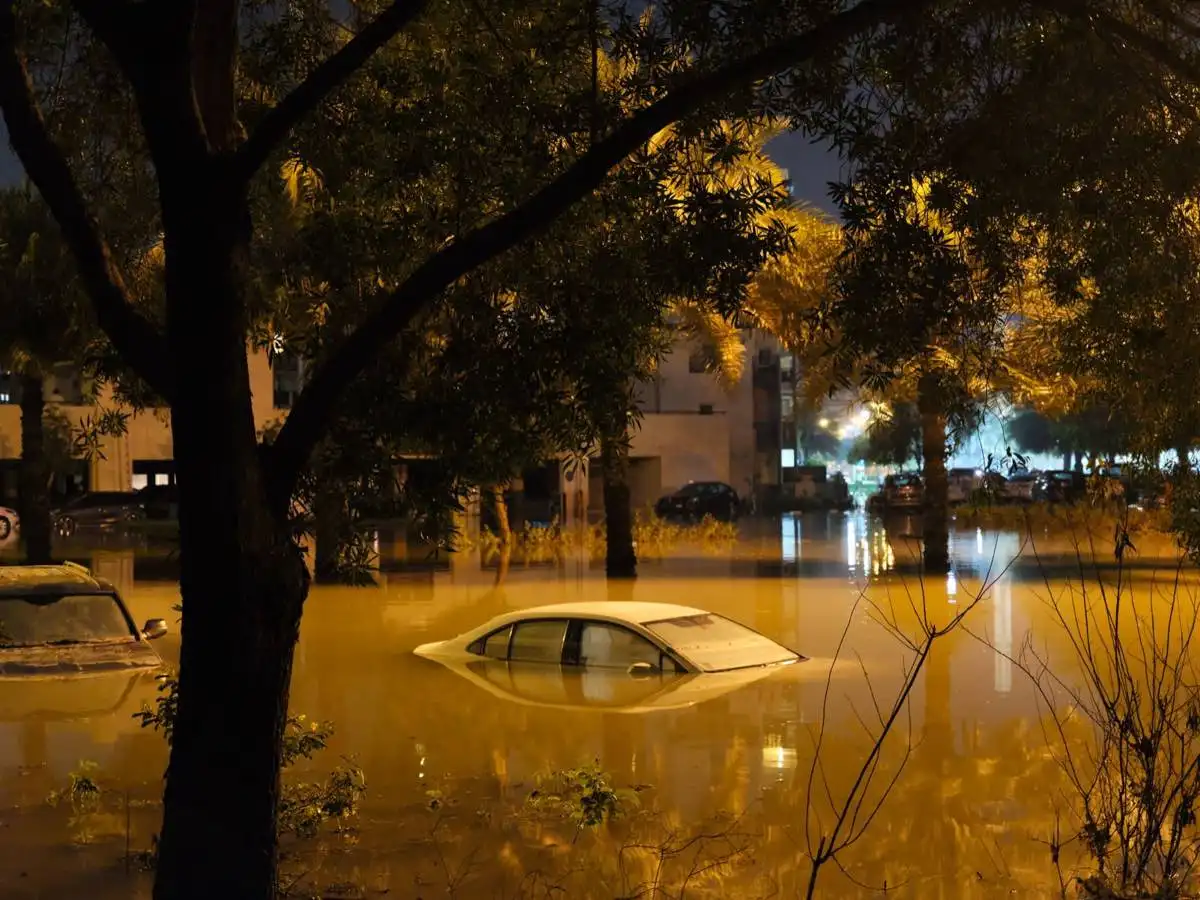
Mold Inspection & Air Sampling
Here is advice that costs us money: if you can see the mold, you usually do not need a test. A sample tells you which species is growing, and that answer rarely changes anything, because the protocol for visible growth on drywall is the same either way.
Fire, Smoke & Sprinkler Damage
Most fire losses we are called to are also water losses. Suppression puts hundreds of gallons into a structure within minutes, and in a slab-on-grade house that water spreads underneath the flooring into rooms the flames never reached.
Carpet, Pad & Upholstery Drying
Carpet over pad over concrete is the most common floor assembly in Corona tract housing, and it drives most of our drying decisions. The carpet is usually saveable.
Wood, Laminate & LVP Floor Drying
Very little of what gets called hardwood in Corona is solid hardwood. It is engineered plank glued to a slab, laminate floating over foam, or luxury vinyl over the same.
Ceiling & Drywall Repair
Ceiling damage in a Corona two-story nearly always arrives from above, and nearly always from a supply line rather than the roof. An upstairs laundry box, a toilet riser, or a shower valve wets the top plate, and it appears downstairs as a brown ring around a recessed light.
Crawl Space & Under-Slab Drying
Most Corona homes do not have a crawl space. The city expanded through the slab-on-grade era, so if your house went up after the mid-1970s there is almost certainly nothing beneath the floor but four inches of concrete, a vapor barrier, and compacted fill.
Roof Leak & Attic Water Damage
Two things put water into Corona attics, and only one of them is rain. Concrete tile roofs from the 1990s building boom are reaching the end of their underlayment life, and attic-mounted air handlers overflow their condensate pans every summer.
Contents Pack-Out & Restoration
The garage is where Corona water losses do their quietest damage. Almost everything in it sits directly on the slab in cardboard, and a water heater that fails overnight wicks into the bottom of every box before anybody opens the door in the morning.
Commercial & Multi-Unit Water Damage
Commercial slabs fail the way residential ones do, with less warning. A copper line under a tenant improvement floor, a break room valve, or a rooftop condensate drain inside a wall puts water into a suite with carpet tile, systems furniture, and a data closet in the wrong place.
Insurance Claim Documentation
Slab leak claims turn on two words in the policy: sudden and accidental. A pipe that failed abruptly is generally covered for the damage it caused.
Repairs & Reconstruction
A slab leak repair leaves a trench through the middle of a floor. Restoration is not finished when the meters read dry.
Corona Water Restoration Pros handles water damage restoration in Corona, California, from emergency extraction and slab leak detection through structural drying, mold remediation, and the drywall and flooring repairs that come afterward. Our technicians are IICRC-certified, we own our low-grain dehumidifiers and air movers, and every loss is documented to the ANSI/IICRC S500 standard.
Most of the water damage in this city starts under a slab or behind a wall. Corona's housing stock is heavily slab-on-grade tract construction from the 1980s through the early 2000s, and the mineral load in inland water leaves scale that thins copper from the inside out. Add street pressure high enough to require a regulator and supply lines begin failing on a schedule.
Because those leaks are hidden, they get found late, which is why detection comes before demolition on our jobs. We locate acoustically, scan post-tensioned slabs before anything cuts concrete, dry the slab itself rather than only its surface, and give you a straight answer on whether a spot repair or a repipe is the better place to put your money. Nobody should pay twice for the same floor.
What Corona Customers Say
Warm spot in the hallway turned out to be a hot line under the slab. They found it with a microphone in about twenty minutes, scanned for cables before cutting, and the patched floor is invisible now.
Upstairs laundry hose let go while we were at work. They were here inside an hour, opened only what was actually wet, and the ceiling texture matches better than the original repair we had done years ago.
They told us the laminate could not be saved and not to pay for drying it, which cost them a week of equipment rental. Straight answers the whole way through, and the insurance paperwork was already done.
Second slab leak in three years. Instead of trenching again they walked us through an overhead repipe and what it would cost. Cheaper over ten years and they showed the math. Drying and repairs were clean.
Why Corona Chooses Corona Water Restoration Pros
- ✓Slab leak located acoustically before any concrete is opened
- ✓Post-tension tendon scanning on every slab cut we make
- ✓Sub-slab negative pressure drying, not just fans on the surface
- ✓Slab tested with an in-situ probe before new flooring is laid
- ✓Daily moisture logs measured against an unaffected dry standard
- ✓One licensed company from extraction through final paint
About Corona Water Restoration Pros in Corona, CA
Corona Water Restoration Pros is a water damage restoration and reconstruction company working in Corona and the surrounding Inland Empire. Our technicians hold IICRC certification in water restoration and applied structural drying, and we carry our own detection gear, low-grain dehumidifiers, air movers and injection drying systems rather than renting whatever is available on the day.
We built the company around the loss this city actually produces: a supply line or a copper line under a slab that failed quietly and was found late. That shapes how we work. Detection first, containment before demolition, the slab tested with a probe rather than a surface meter, and a written recommendation on repair against repipe that we are willing to argue for.
Do not hire us if you have a slow drip under a sink, a single wet cabinet base, or a small stain you found this morning with the source already fixed. A fan and an open cabinet door will handle that, and a restoration invoice for it is money wasted. Call us when water has reached the slab, the wall cavity or the ceiling, or when you cannot find where it is coming from.
How It Works
- 1
Shut it off, then call
Close the main at the street or the house valve, kill power to any wet room at the breaker, and call us. We talk you through what to move and what to leave, and we dispatch a truck while you are still on the line.
- 2
Find the source, not the stain
Acoustic listening, tracer gas, thermal imaging and a static pressure check at the hose bib. On a post-tensioned slab we scan for tendons before anything cuts. You get the location and the failure mode in writing before demolition starts.
- 3
Extract, then dry to a number
Bulk water out the same visit, then air movers, low-grain dehumidifiers and sub-slab negative pressure where the water went under the floor. We take readings daily and compare them to a dry standard from an unaffected room.
- 4
Repair, rebuild, document
Concrete patched over a lapped vapor barrier, drywall and texture matched, flooring reinstalled only after the slab tests dry. Photographs, moisture logs and a line-item estimate go to your insurer as we go.
Commercial, Condo and HOA Water Damage in Corona
Office suites, retail units, medical practices and homeowner associations along the 91 and the 15 need a restoration contractor who can keep a building trading while it dries. We work after hours, size equipment to circuits that are already loaded, and document a loss unit by unit so each policy sees only what belongs to it. Detection is the same discipline we use on houses: isolate at the mains, listen, scan for tendons, and open concrete last.
- ✓After-hours and weekend drying so tenants keep trading
- ✓Unit-by-unit moisture logs keyed to a floor plan
- ✓Post-tension and conduit scanning before any concrete work
- ✓Common-wall source location for HOA and owner policy splits
- ✓Containment that keeps corridors and exits open
- ✓Written equipment plans with projected removal dates
Service Areas
Corona Water Restoration Pros serves Corona, CA and surrounding communities including:
Recent Projects Across the Inland Empire and north Orange County
Frequently Asked Questions
How do I know if I have a slab leak in my Corona home?
The usual signs are a warm spot on the floor, a water bill that jumped with no change in habits, the sound of running water with every fixture closed, and unexplained damp at the base of a wall or in a closet. The cheapest test is free: turn off every fixture, then watch the small triangle or dial on your water meter. If it moves, water is going somewhere. Call before you cut anything.
Does homeowners insurance cover slab leak damage in California?
Most policies cover the resulting damage when the failure was sudden and accidental, and most also pay to tear out and replace the flooring and slab needed to reach the pipe. What they typically do not pay for is the pipe itself, and they push back hard on water that seeped for weeks. That is why we document the discovery date and the failure mode on day one.
How long does drying take after a water loss?
Three to five days is typical for a clean-water loss caught early in one or two rooms. A slab that has been wet for weeks takes longer, because concrete releases moisture slowly and we will not sign off on surface readings. We publish a projected removal date after the first full set of readings and update it daily if the numbers move.
Should I repair the one slab leak or repipe the whole house?
One pinhole in otherwise sound copper is worth a spot repair. A second failure within a couple of years usually means the line is finished, and a third trench through your floor costs more than an overhead repipe would have. Age of the pipe, water pressure history and how many prior repairs exist decide it. We will tell you which case you are in, in writing.
Is Corona's hard water really damaging my pipes?
Hard water does not corrode copper by itself, but the scale it deposits changes how water moves inside the pipe, and that local turbulence is where pinholes start. It is also why failures show up on the hot side first, since scale forms faster at temperature. A softener and a correctly set pressure regulator both extend the life of what you have.
How fast can you get to my property?
We answer the phone around the clock and target arrival within the hour for Corona addresses, longer for the outer edges of our area in Orange County and the western San Bernardino Valley. Tell the dispatcher whether the water is still running, because if it is, stopping it beats anything else we could do first.